Loading...
Serving Newark, OH and surrounding areas. (740) 322-4165
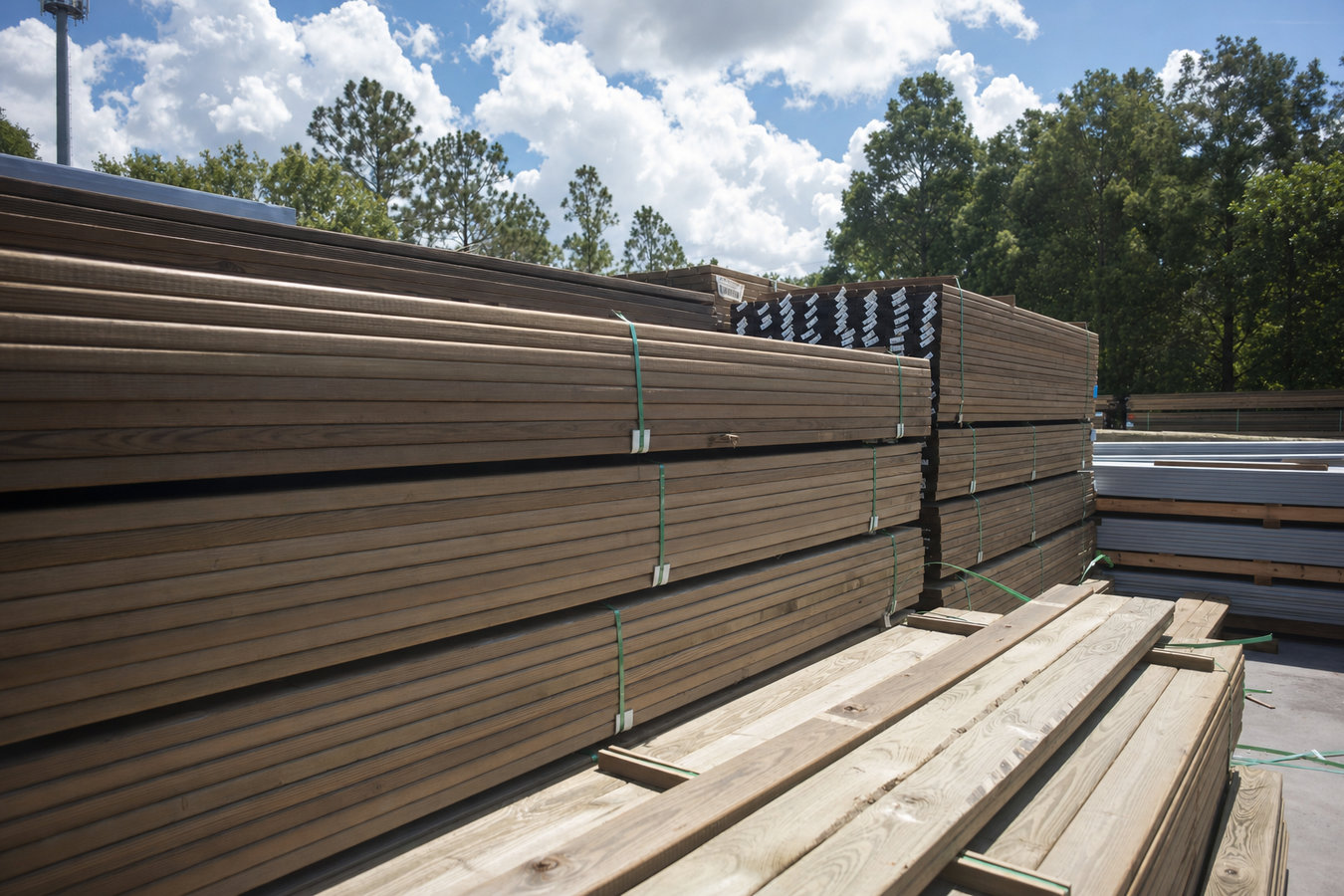
Looking for a well-built wood deck without overpaying? We construct pressure-treated decks in Newark with proper footing depth, city permits, and a written price before we break ground.
Pressure-treated wood deck construction in Newark means setting concrete footings below the frost line, building a frame of posts, beams, and joists from treated lumber, and laying decking boards on top - with stairs and railings included, permits pulled through the City of Newark, and most builds completed in two to five days of active work once the permit clears.
Pressure-treated lumber is the most common deck material in Ohio for good reason. It handles moisture, insects, and rot better than untreated wood, and it costs less upfront than composite options. A well-maintained pressure-treated deck can last 25 to 40 years. If you are weighing wood against a no-maintenance alternative, our custom deck design and build service can walk you through the full range of materials and help you pick what fits your goals and budget.
The one thing most homeowners do not expect: new pressure-treated lumber needs six months to a year to dry before you apply any stain or sealant. We tell every customer this before we leave so the finish does not peel off in the first season.
If deck boards give slightly under your weight or feel spongy in spots, the wood has started rotting from the inside out. In Newark's climate, with wet springs and hard winters, deterioration spreads fast once it starts - and what looks like one bad board often means the framing underneath is already compromised.
Give your railing a firm push. If it moves, or if the corner posts shift when you lean on them, the structural connections have weakened. Wobbly posts are especially common on older Newark-area decks where footings were not set deep enough to survive decades of Ohio frost cycles. This is a safety issue, not a cosmetic one.
If your home has a back door that opens to a step or a concrete pad, you are missing usable outdoor living space. Newark summers are genuinely pleasant, and a deck turns a backyard into a place where your family actually spends time. A pressure-treated deck is the most affordable way to create that space.
Pressure-treated wood that has not been sealed in several years turns gray and begins to crack along the grain. Splinters become a real problem for bare feet and kids. This level of weathering means moisture is getting into the fibers - which is the beginning of rot. Patching at this stage rarely buys more than a season or two.
We handle the full build from the permit application through the final city inspection. Site prep, footing excavation, concrete pouring, frame construction, decking boards, stairs, and railings are all included. We also demolish and remove any existing deck structure. If the ground needs leveling before we begin, we handle that too. For homeowners who want to add covered outdoor space or shade above the deck, our cedar wood deck construction service is another natural wood option that pairs well with pergolas and covered structures.
We pull the permit with the City of Newark Building Department - or Licking County Building Regulations if your property is outside city limits - and schedule every required inspection. You do not need to make a single call to the building department. Before we leave, we walk the finished deck with you and give you a clear picture of when the wood will be ready for its first coat of sealant and what to look for each spring.
Full construction from footings up - the best fit when your home has never had a deck or the existing structure is beyond salvaging.
When the footings and posts are still solid but the framing and boards are gone, we can rebuild from the substructure up and save you money on excavation.
Stairs and code-compliant railings are included in every build - no surprise add-ons after the quote is signed.
A low-profile deck close to grade - a practical choice for flat yards where you do not want a railing requirement or a tall stair run.
Newark sits in Licking County, where winter temperatures drop well below freezing and the ground goes through repeated freeze-thaw cycles from November through March. Ohio's residential building code requires deck footings to reach at least 36 inches below grade - the frost line for this part of central Ohio. A contractor who sets posts too shallow is setting you up for a deck that shifts and leans within a few winters. Homeowners in Lancaster, OH and Pataskala, OH face the same frost-line requirement and the same permit process - this is not a corner you can cut anywhere in the region.
Newark's older housing stock creates another challenge specific to this area. Many homes built in the 1950s through 1980s - common in neighborhoods closer to downtown and along the older Route 16 corridor - were never designed with a deck attachment point in mind. Creating a safe ledger connection on these homes sometimes requires additional structural work that needs to be scoped during the estimate visit, not discovered mid-build. We check the band joist on every site visit before a quote goes out, because a failed ledger connection is one of the leading causes of serious deck failures.
Reach out by phone or through our contact form and we will respond within one business day. We schedule a free on-site visit - we do not quote a deck without seeing your yard and the back of your house first.
We measure the space, look at the ledger attachment point, and talk through size, design, and your budget. You receive a written, itemized estimate that covers everything - materials, labor, permit fees, and debris removal - before you commit.
We submit the permit application and handle plan review - typically one to two weeks. Once approved, we dig footings to frost-line depth, pour concrete, and build the frame. A city inspector visits the framing stage before boards go down.
With the frame approved, we lay the decking boards, build stairs, and install railings. After the final inspection passes, we clean up the yard completely and walk the deck with you before you make final payment.
We come to your yard, give you a written itemized quote, and respond within one business day. No obligation.
(740) 322-4165We dig every footing to the 36-inch depth required in Licking County. That is what separates a deck that stays level for 20 years from one that starts leaning after the third winter. It is not optional, and we never treat it that way.
Your written estimate lists every line item - materials, labor, permit fees, and debris removal. If something unexpected turns up during the build, we tell you before we act on it. The American Wood Protection Association sets the treatment standards for the lumber we use, so you know it is rated for ground contact and long-term performance.
We manage the City of Newark permit application, plan submission, and both required inspections from start to finish. You do not have to call the building department or figure out what forms to file. A permitted deck is one less thing to worry about when you sell.
A lot of homeowners apply a finish too early and watch it peel in the first season. We walk you through the six-to-twelve-month drying period and the simple water-bead test before we leave, so your investment is protected from the start. It is a small thing, but almost no one tells you.
We have been building decks in Newark and Licking County long enough to know what the local inspectors check for and what the soil and weather conditions demand. That knowledge is reflected in every build we complete.
A naturally rot-resistant wood option with a warmer, more refined look than pressure-treated lumber.
Learn MoreStart from scratch with a fully custom design that matches your yard, your home, and how you plan to use the space.
Learn MoreLicking County contractors book up fast once the weather breaks - reach out now and lock in your start date.